A locally led training initiative in Kano is showing how the Saving Young Lives model can help turn knowledge into action – and expand access to life-saving acute peritoneal dialysis.
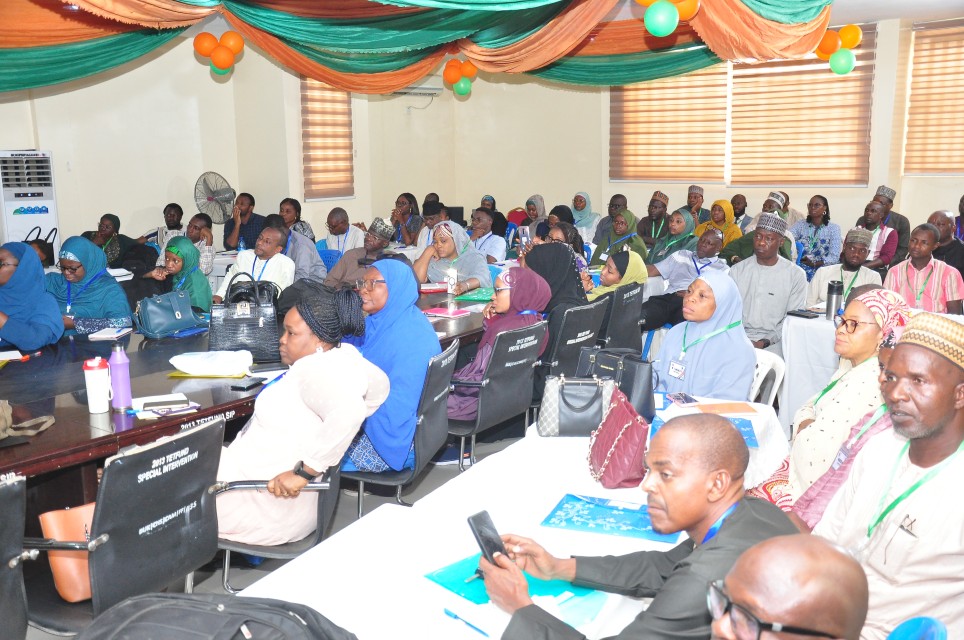
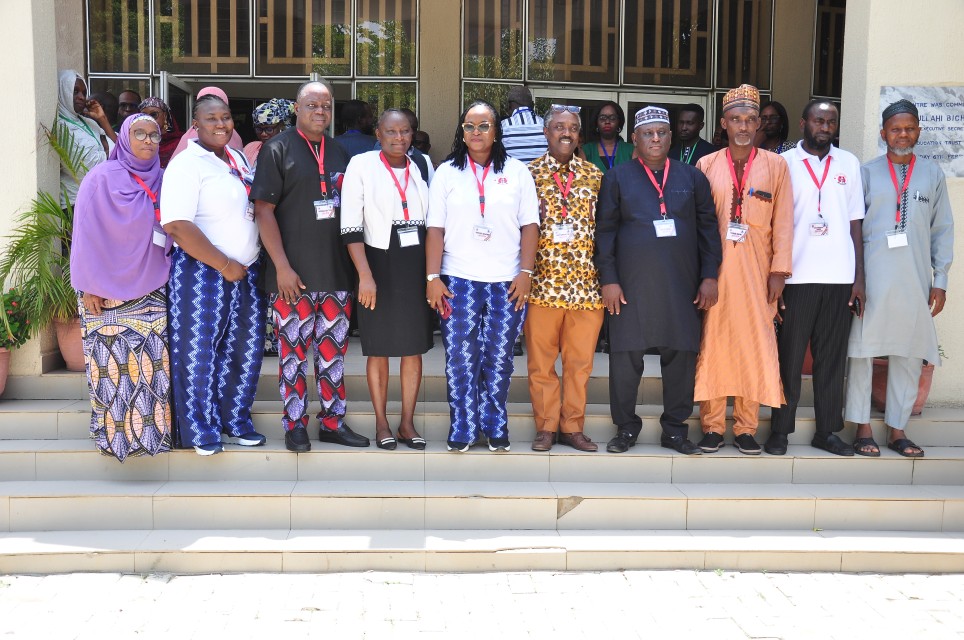
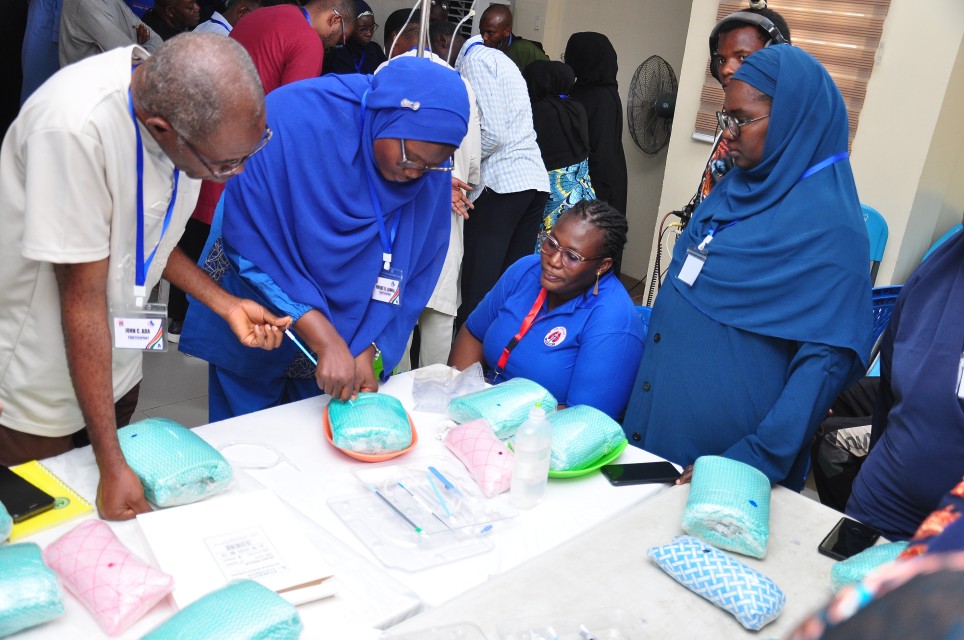
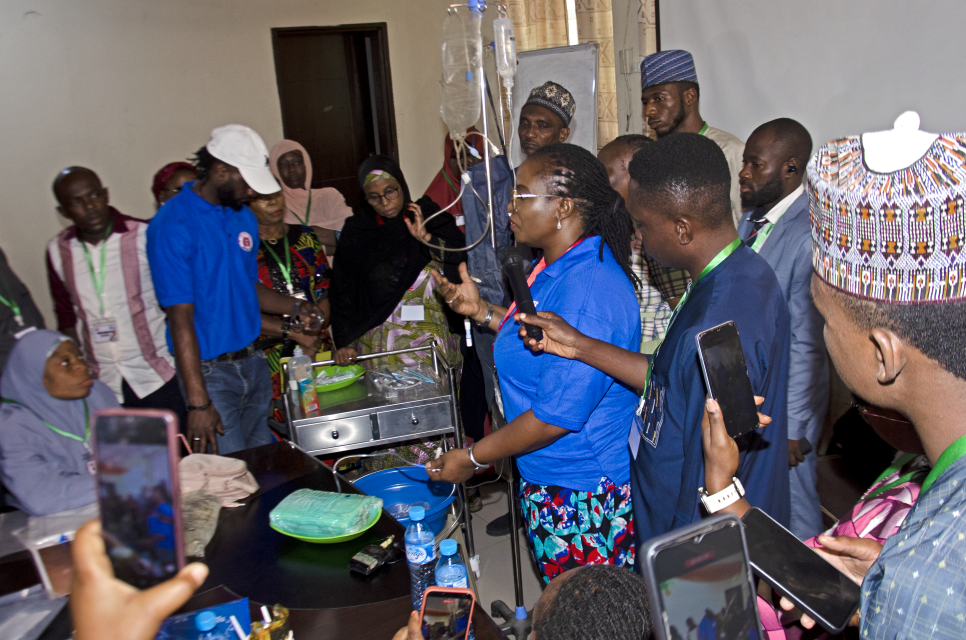
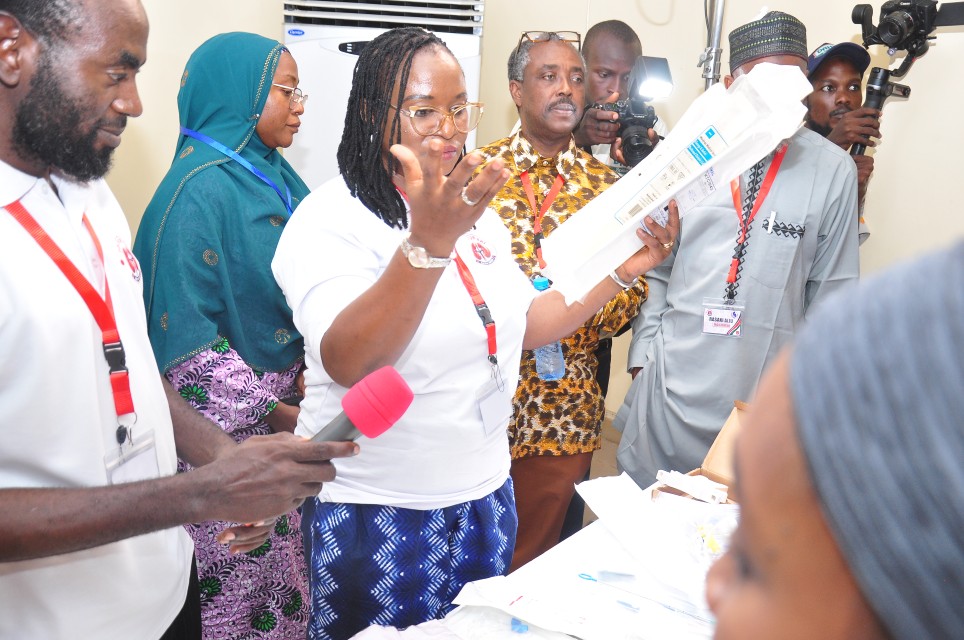
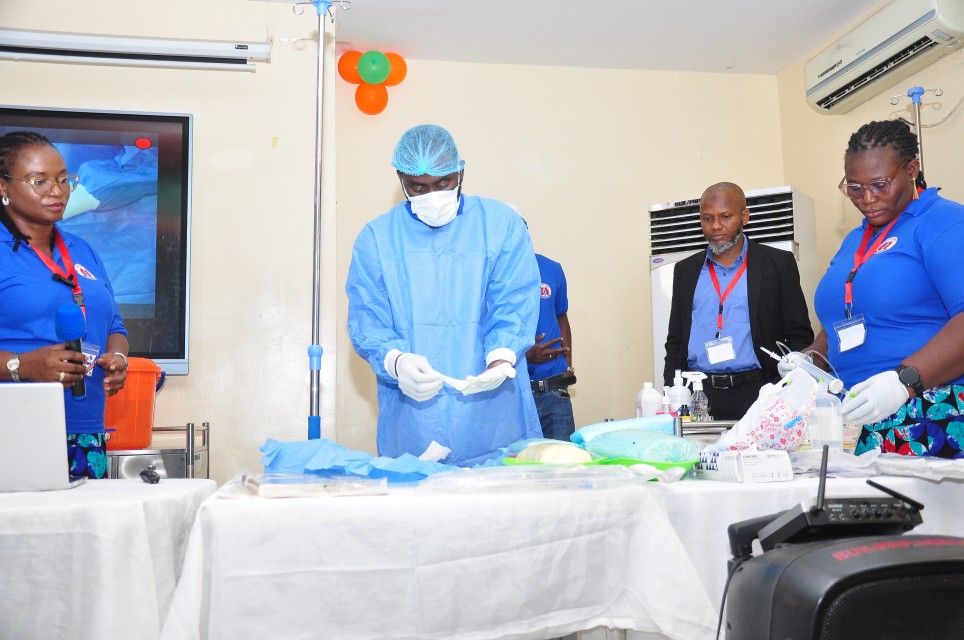
From 4-6 August 2026, Professor Patience N. Obiagwu and the Paediatric Nephrology Unit at Aminu Kano Teaching Hospital (AKTH), Kano, Nigeria, organized a three-day hands-on course on Peritoneal Dialysis for Acute Kidney Injury in Resource-Limited Settings.
Delivered as an IPNA Teaching Course and endorsed by the Saving Young Lives (SYL) Initiative, the workshop responded to a critical challenge: severe acute kidney injury (AKI) remains a major cause of morbidity and mortality in resource-limited settings, while access to kidney replacement therapy is often limited.
Reaching teams across Nigeria – and beyond
The scale of the response demonstrated the demand for practical acute PD training.
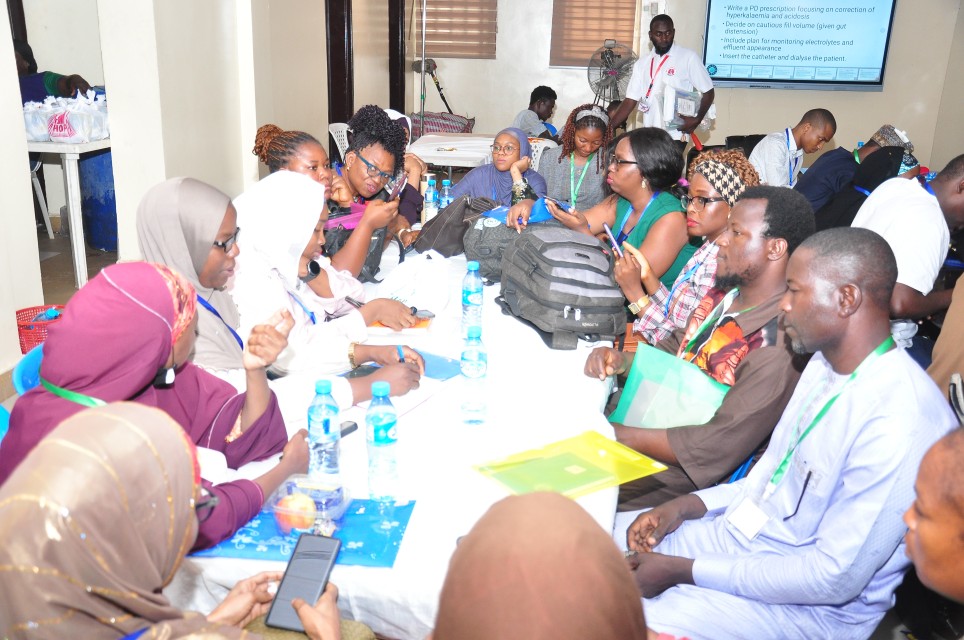
A total of 93 healthcare professionals – 46 doctors and 47 nurses – from 34 institutions across 21 Nigerian states and the Republic of Niger registered for the course. Throughout the intensive three-day programme, daily attendance remained at 89 participants, representing a remarkable 95.7% retention rate.
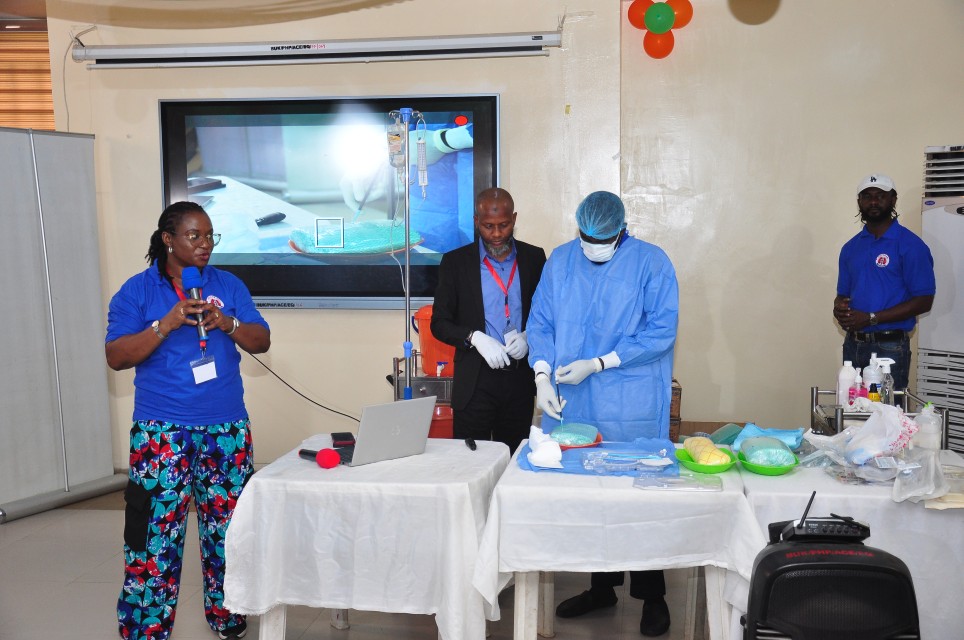
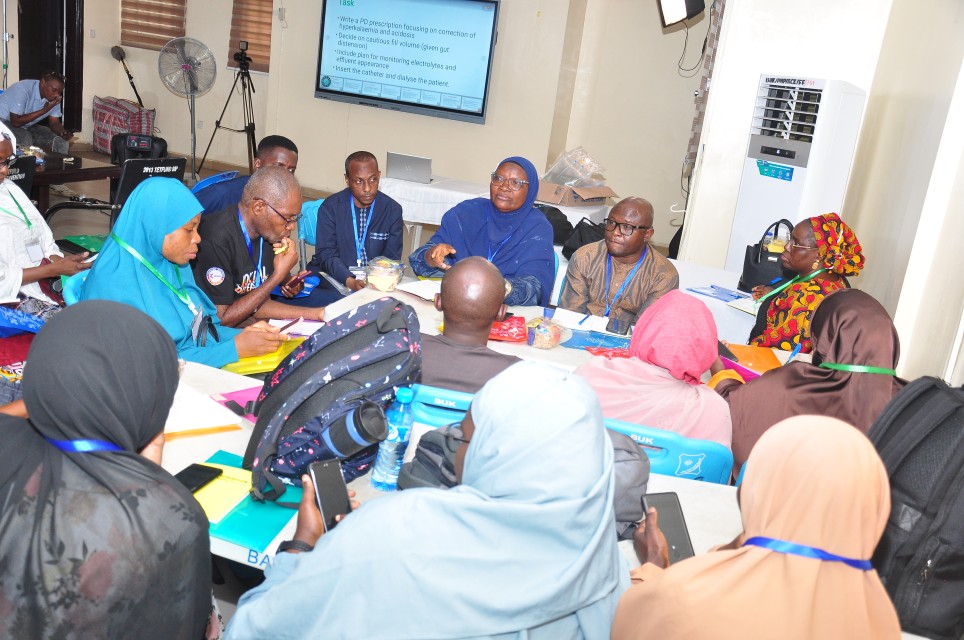
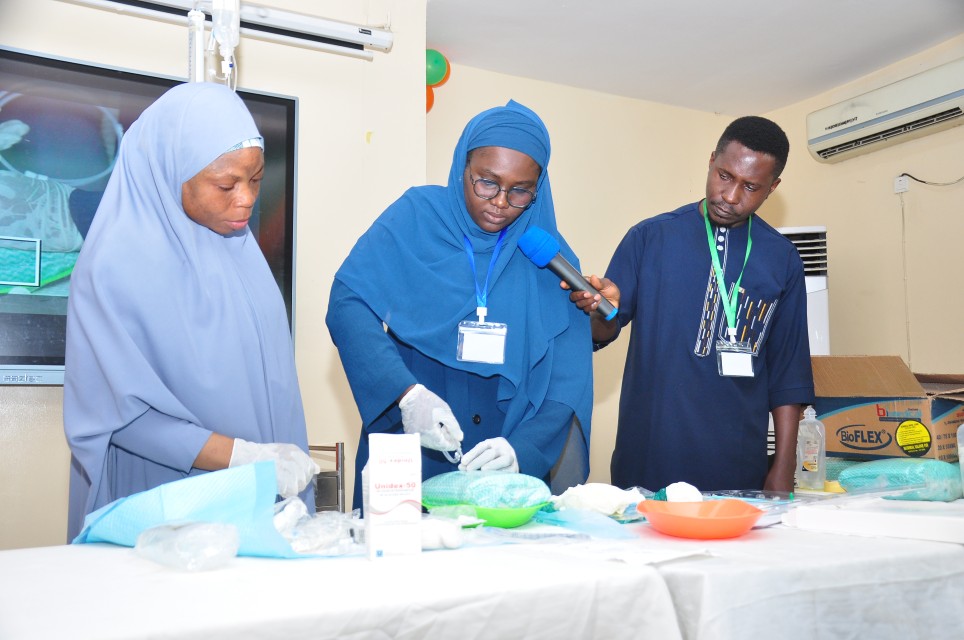
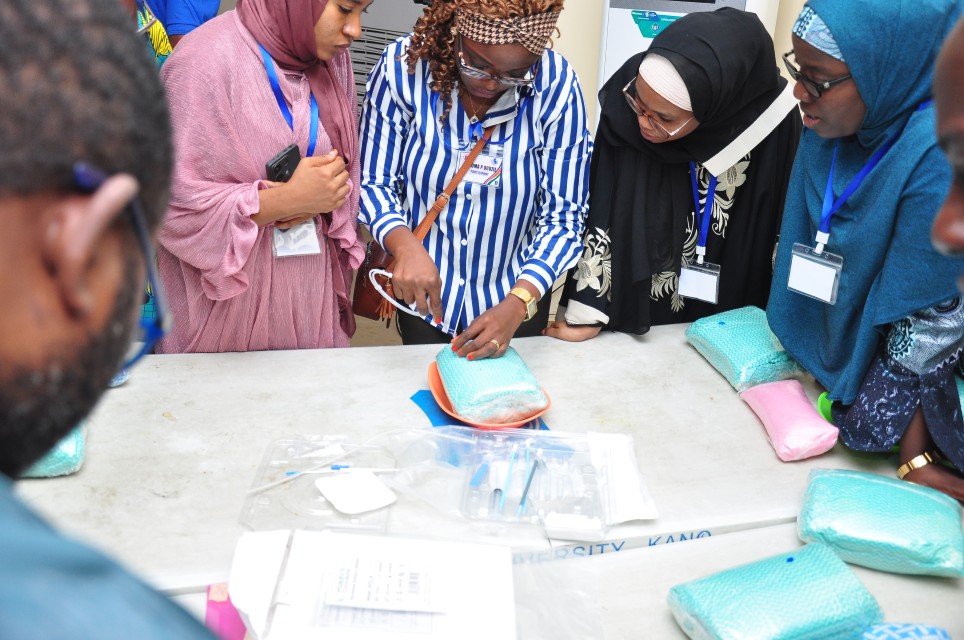
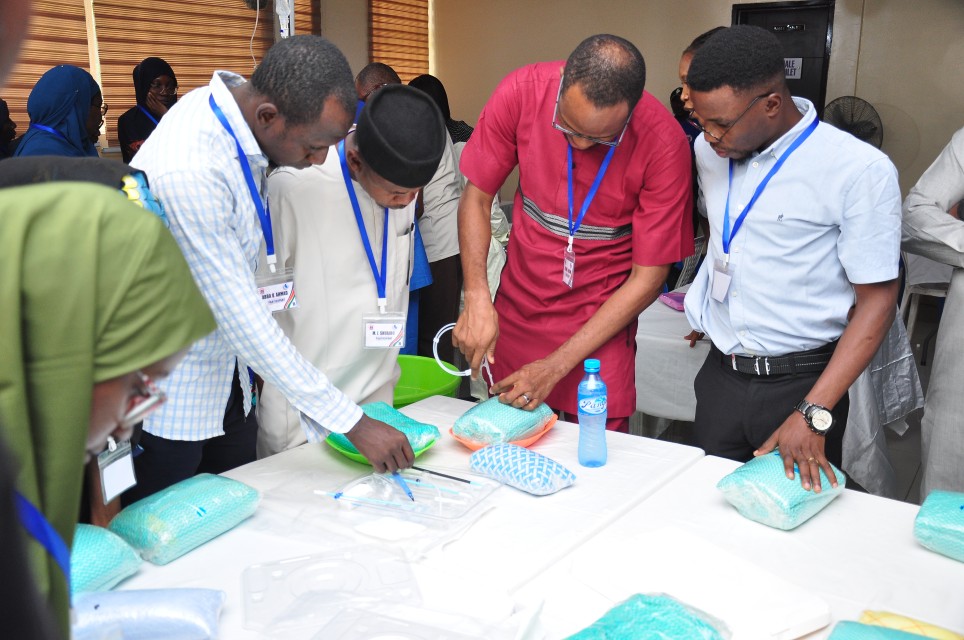
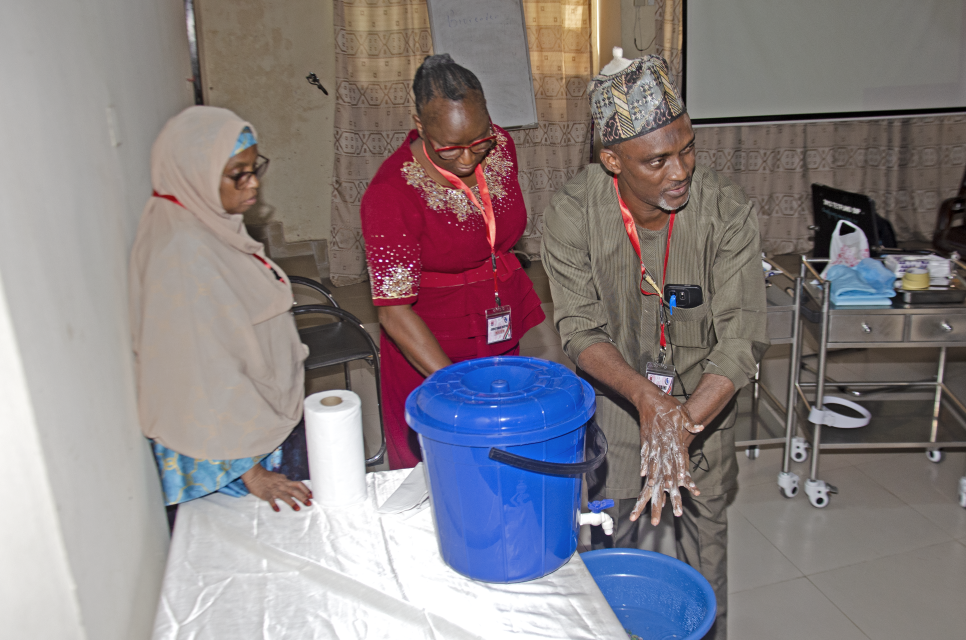
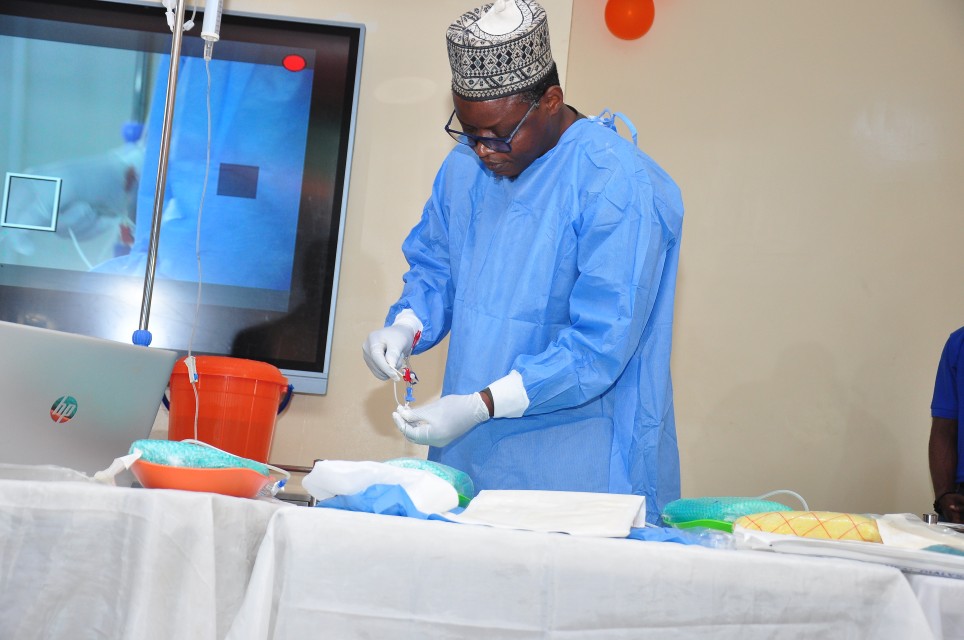
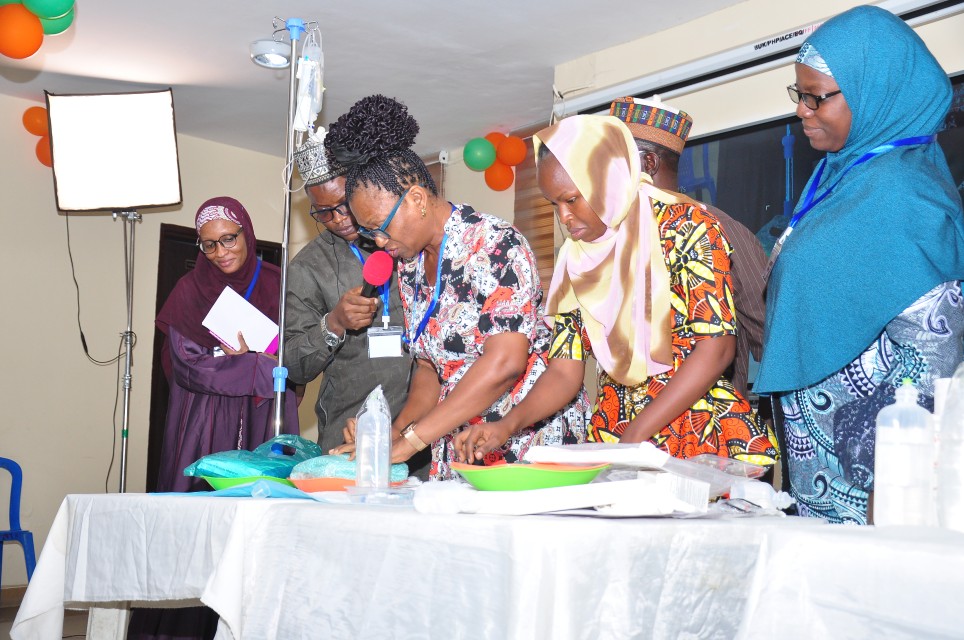
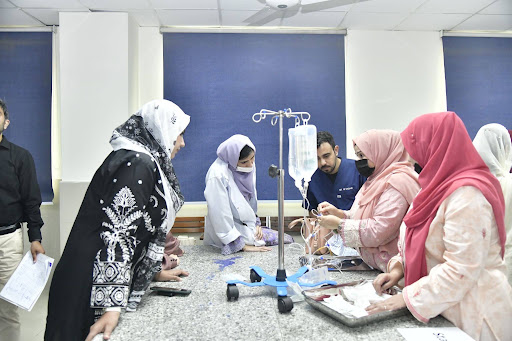
Rather than focusing solely on theoretical knowledge, the course followed the practical, multidisciplinary approach central to SYL training.
Participants worked through the complete acute PD pathway: recognizing severe AKI, identifying patients requiring dialysis, inserting and tunnelling PD catheters, developing PD prescriptions, preparing fluids, performing manual exchanges, monitoring patients, preventing infection and managing complications. Doctors and nurses trained together, reflecting the teamwork required to establish safe and sustainable acute PD services.
The course was delivered by ten facilitators – seven doctors and three experienced nephrology nurses – bringing together local, national and regional expertise.
Measurable gains in knowledge and confidence
The impact of the training was already visible by the end of the course.
Among the 42 participants with matched pre- and post-course assessments, the average score increased from 61.4% before the training to 79.9% afterwards – an improvement of 18.5 percentage points. All 24 nurses assessed improved their scores, as did 17 of the 18 doctors.
Participant feedback was equally encouraging. Of the 89 participants completing the evaluation, 95% rated the workshop “Excellent” or “Very Good,” while 90% considered the lecture content directly relevant to their clinical practice. Hands-on sessions, clinical simulations and multidisciplinary teamwork were among the most valued elements of the programme.
From training to treatment – in just two weeks
But the most powerful measure of success came after participants returned home.
Within just two weeks of the workshop, four participants had already initiated acute peritoneal dialysis in their own institutions. Three of them personally inserted the PD catheters.
This rapid transition from the classroom to clinical care demonstrates what practical, context-appropriate training can achieve. By equipping healthcare professionals from multiple institutions with the skills and confidence to deliver acute PD, the benefits of the course were able to extend far beyond the host centre in Kano.
For Professor Obiagwu and her team, seeing participants put their newly acquired skills into practice was particularly rewarding.
The experience also illustrates an important multiplier effect at the heart of Saving Young Lives: healthcare professionals who gain practical skills can bring them back to their own hospitals, strengthen local services and, through step-down training, share that knowledge with colleagues.
The next challenge: ensuring trained teams can treat
The Kano experience also highlighted that training is only one part of the solution.
Participants may have the skills to deliver acute PD but remain unable to treat patients when essential supplies – including PD catheters, fluids, insertion kits and connection systems – are unavailable.
Professor Obiagwu therefore proposes building on the course through a “Training-to-Treatment” model, combining practical training with essential starter supplies, clinical mentorship, step-down training and monitoring of patients and outcomes. The longer-term ambition is to develop locally owned, sustainable acute PD services across Nigeria and the wider region.
The August workshop demonstrates what can happen when knowledge is translated into practical skills – and practical skills into patient care.
With 93 healthcare professionals trained, 34 institutions reached, measurable improvements in knowledge and participants already delivering acute PD within weeks, the programme represents an encouraging example of locally led capacity building and the wider impact that the Saving Young Lives approach can inspire.
From training to treatment, the goal remains the same: ensuring that more patients with acute kidney injury can access life-saving dialysis when and where they need it.